

General Engineering Company (GEC) participated in the groundbreaking ceremony for the Manufacturing Residence Hall (MRH)-Portage housing project in Portage, WI on Tuesday, March 19. Collaborating with the City of Portage, Manufacturing Resident Hall (MRH), and Holtz Builders, GEC is enthusiastic about its involvement in this Affordable Workforce Housing initiative. While accessible to all, the project primarily aims to address the housing needs of manufacturing employees in the area.
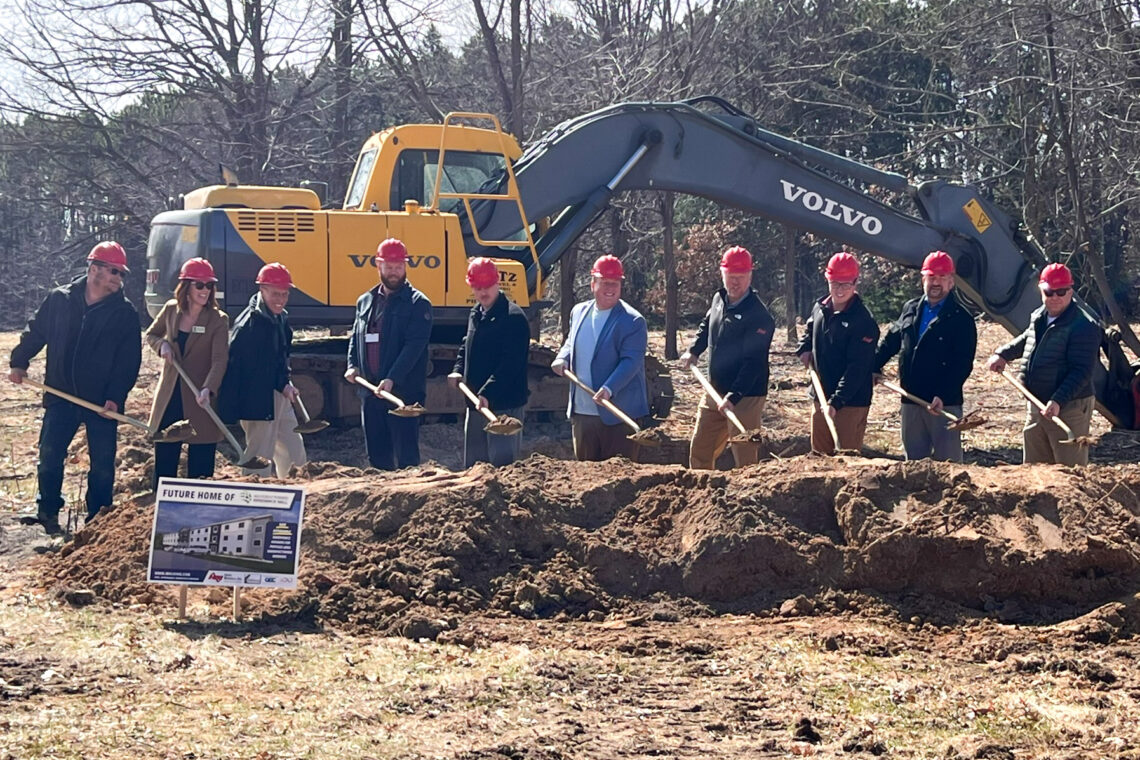 The project comprises multiple phases. The first phase involves the construction of three 3-story multifamily dormitory-style buildings, providing a total of 81 units. Each unit will accommodate two residents and feature a full bathroom, microwave, and fridge. Additionally, each floor will offer a communal kitchen space. The buildings will be equipped with 24-hour on-site management, ensuring security around the clock.
Future phases will consist of up to two more dormitory buildings along with five traditional-style apartment buildings. Each apartment building will comprise of 16 units, with one- and two-bedroom units.
The MRH-Portage housing project marks the 6th collaboration between GEC, IRH/MRH, and Holtz Builders. Other notable locations where GEC has contributed its services include Dollywood in Pigeon Falls, TN, Silver Dollar City in Branson West, MO, Big Cedar Lodge in Ridgedale, MO, Foley, AL (adjacent to Gulf Shores), and Myrtle Beach, SC.
 The Wisconsin Department of Administration (DOA) created the “Routes to Recovery: Local Government Aid Grants” to provide funding to all Wisconsin local governments for COVID-19 recovery needs. Local governments include every County, City, Village, Town, and federally recognized Tribe. The State allocated a grant amount to every community from which they can draw funds. This is a reimbursement program; therefore, communities must show proof of payment prior to requesting funds from the State.
There are three reporting periods during which communities can submit expenses for reimbursement. The first was July 1-15. The next reporting period is September 1-15. The final reporting period is November 7-18. Any eligible expenses incurred between March 1 and November 6, 2020 can be reimbursed through this program. Each community is allowed one (1) submission per reporting period. All submissions must be made through the DOA’s “Expense Reporter” application on their website.
General Engineering Company’s Grants and Funding staff monitor the Routes to Recovery and other programs to assist our clients and all municipalities through these unprecedented events. We are here to answer your questions, help navigate this and other programs, and to maximize your allocated funds.
Please contact our Grants & Funding Coordinator, Elizabeth Foellmi, today!
(608) 742-2169
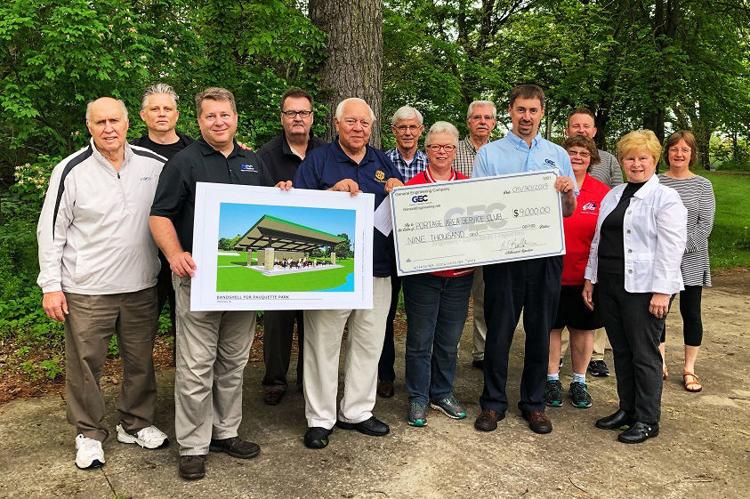
GEC donated $9,000 of in-kind work to the Portage Service Club Association. This work is for the Pauquette Park project.
Learn more in this article from the Portage Daily Register:
$9,000 in-kind donation made to park project
GEC donated $9,000 of in-kind work to the Portage Service Club Association. This work is for the Pauquette Park project.
Learn more in this article from the Portage Daily Register:
$9,000 in-kind donation made to park project
In April 2017, the voters in the Pardeeville School District passed a $12 million referendum to provide improvements and an expansion to their High School. GEC’s Design Team, lead by Architect Richard Smith, will be providing the vision for this community-shaping project.
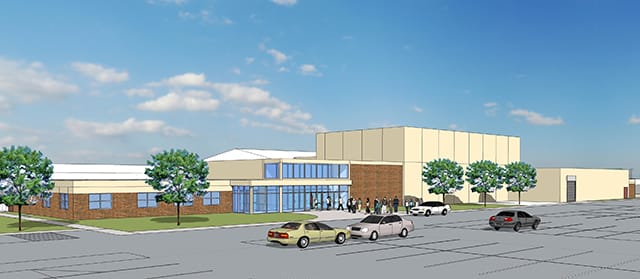
The expansion of the Pardeeville High School will be mostly dedicated to the Performing Arts Department, while additional improvements will include new offices, an expansion of the Art Room, and a new Wellness Center that will also be available to the public.
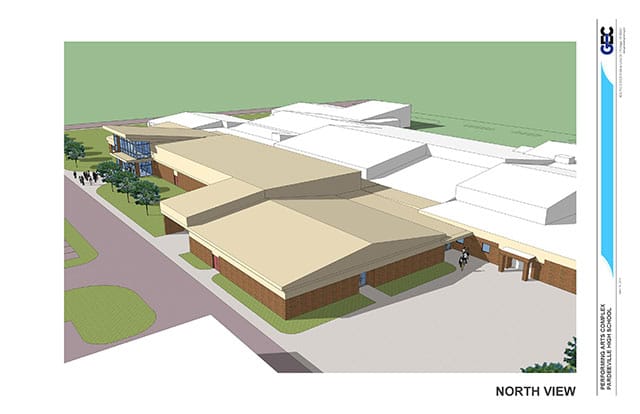
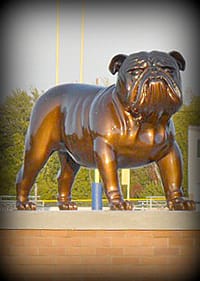 In addition to providing Architectural Services, GEC’s team will be kept very busy also providing Site Design, Structural, and Plumbing Design services. GEC has been working with the Pardeeville Bulldog Foundation closely for the past several years, providing guidance on a number of projects improving their athletic fields. GEC Vice President, Kent Fish, not only provided his engineering expertise to the improvement projects for the baseball fields, field lighting, fencing and archway welcoming fans to the complex, but donated countless hours of his own time to assist with the construction of these projects.
Congratulations to Richard, Kent and all of the Design Team members on this project!
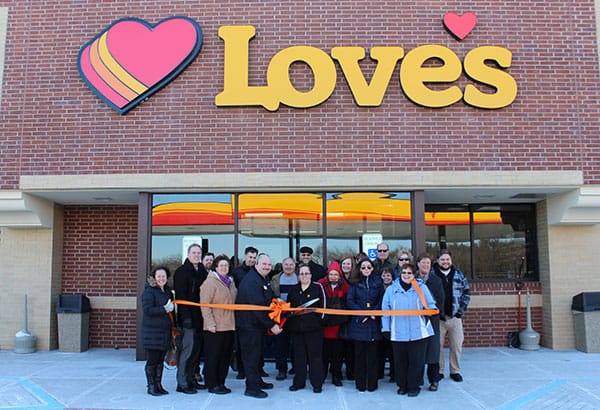
POYNETTE, WI – On December 14, 2016, despite the chill in the air, members of the Poynette Chamber of Commerce and Portage Chamber of Commerce gathered to officially open the new Love’s Travel Stop. Located just off the Poynette exit of I90/94/39, Love’s is open 24 hours a day and 7 days a week.
PORTAGE, WI – Representatives from General Engineering Company met recently with City of Portage leaders and Portage School District representatives to present two donations for the Portage High School Building Trades Program.
Kent Fish PE and Vice President at General Engineering, presented over $10,000 of donated services to the building trades program by providing building and structural plan design, bidding coordination and technical support for the project. Mr. Fish also volunteers his time serving on the Building Committee.
Also, in an effort to give back to the program and community, Mark Jankowski, Director of Inspection Services was present to agree that GEC will not be assessing inspection fees for the next four Building Trades projects, to be built over the next several school years.
The Portage High School Building Trades Program is comprised of students that are interested in creating a career in the construction trades field. This program gives students the necessary hands on training that will carry straight into a profession within the construction field. Students earn two credits for time devoted to the project during three class periods a day, a study hall and a half hour after school.
The recently sold, 1,728 square foot home, has two and half bathrooms and three bedrooms, including a master bedroom with cathedral ceiling and walk in closets. Other features include a deck off the living room and an unfinished basement plumbed for future construction and a safe/storm room.
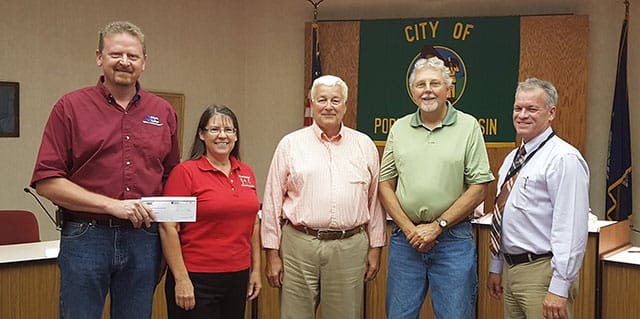
L-R, Kent Fish, GEC Vice President, Margaret Rudolph, Director of Business Operations Portage School District, Rick Dodd, Mayor, Mark Jankowski, GEC Director of Inspection Services and Shawn Murphy, City Administrator